
Your eyes can reveal far more than vision changes. During a comprehensive eye exam, your optometrist can detect early signs of serious health conditions—often before symptoms appear elsewhere in the body. At Brantford Eye Care, advanced diagnostic technology allows us to assess both your vision and your overall health in a single, thorough examination.
A comprehensive eye exam can detect over 30 different diseases and health conditions, including diabetes, high blood pressure, glaucoma, macular degeneration, and even brain tumors. Your optometrist uses advanced technology and specialized techniques to examine not just your vision, but your overall health through the unique window that your eyes provide.
How Your Eye Doctor Can Spot Health Problems During Routine Exams
The Window to Your Overall Health
Your eyes contain the only place in your body where blood vessels, nerves, and tissues can be viewed directly without surgery. This gives your eye doctor a clear view of your circulatory and nervous systems. Changes in these structures often signal health problems developing elsewhere in your body. Comprehensive eye exams are essential for detecting these early warning signs across all age groups.
Advanced Technology Makes Detection Possible
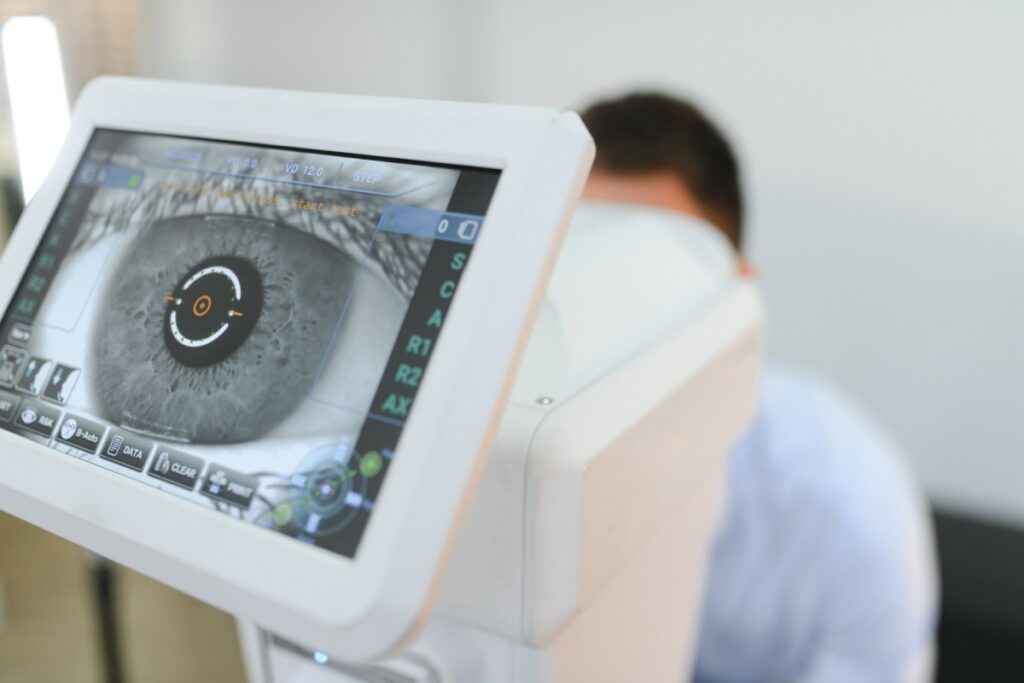
Modern eye exams use digital imaging, optical coherence tomography, and specialized cameras to capture detailed pictures of your eye structures. These tools can detect microscopic changes that human vision alone might miss. Your eye doctor can compare retinal images over time to track any progression or changes in your eye health.
Eye Diseases & Conditions Your Optometrist Can Find
Glaucoma Detection & Early Warning Signs
Glaucoma often develops without noticeable symptoms, making regular screening important for early detection. Your eye doctor at Brantford Eye Care measures eye pressure, examines your optic nerve, and uses optical coherence tomography (OCT) to diagnose glaucoma early. Advanced eye disease management helps detect and monitor glaucoma progression effectively.
During a glaucoma screening, your optometrist may detect:
- Increased eye pressure
- Changes in optic nerve appearance
- Early nerve fibre layer changes on OCT (optical coherence tomography)
- Visual field loss
Macular Degeneration Symptoms
This condition affects your central vision and becomes more common with age. Your optometrist can spot early changes in your retina that indicate age-related macular degeneration before you notice vision problems. Specialized AMD treatments like MacuMira can help support retinal health in dry macular degeneration cases.
Common early signs your optometrist may detect include:
- Changes in central vision
- Retinal abnormalities
- Drusen deposits
Diabetic Eye Disease
Diabetes can cause significant damage to the blood vessels in your retina. Your eye doctor can identify these changes during routine exams, often before you experience vision symptoms. Specialized diabetic eye exams use advanced testing methods to detect and prevent diabetic eye diseases like retinopathy. Understanding how diabetes affects the eyes emphasizes the importance of regular monitoring.
During a diabetic eye exam, your optometrist may look for:
- Blood vessel changes in the retina
- Retinal swelling
- Bleeding or leakage
Cataracts & Vision Changes
Cataracts develop gradually as proteins in your eye’s lens break down and clump together. Your optometrist can track cataract development and recommend a referral to an ophthalmologist for cataract surgery when surgical intervention becomes necessary.
Common signs your eye doctor may observe during an exam include:
- Lens cloudiness
- Reduced visual clarity
- Light sensitivity
Dry Eye Disease
Dry eye occurs when your tears can’t provide adequate lubrication for your eyes. Your optometrist can identify the underlying causes during your eye exam by examining your tear film quality, meibomian glands, and the health of your eye surface.
Brantford Eye Care offers comprehensive dry eye therapy with advanced treatment options tailored to your specific needs. Treatment options include IRPL (Intense Regulated Pulsed Light), Jett Plasma Pen therapy, low-level light therapy (LLLT), ZEST eyelid cleansing, and for severe cases, regenerative treatments like PRP (Platelet-Rich Plasma) and PRGF (Plasma Rich in Growth Factors) eye drops. These advanced treatments use your body’s own healing properties to help regenerate the eye surface and reduce inflammation.
During a dry eye assessment, your optometrist may detect:
- Tear film instability
- Meibomian gland dysfunction
- Inflammation of the eyelid margins
- Damage to the eye surface
Systemic Health Conditions Found Through Eye Exams
Diabetes & Blood Sugar Issues
Your eye doctor can often detect diabetes before you develop other symptoms. Changes in your retinal blood vessels indicate elevated blood sugar levels over time. Early detection through eye exams can help you get diabetes treatment before complications develop. Regular eye exams for diabetes management are crucial for preventing vision loss.
High Blood Pressure Detection
High blood pressure causes visible changes to the blood vessels in your retina. Your optometrist can see these changes during your exam and may recommend you follow up with your family doctor. These eye changes can indicate how well your blood pressure is controlled.
Autoimmune Conditions
Conditions like rheumatoid arthritis, lupus, and multiple sclerosis can cause inflammation in your eyes. Your eye doctor can identify these inflammatory signs during routine exams. Eye symptoms sometimes appear before other autoimmune symptoms become noticeable.
Neurological Problems
Changes in your visual field, pupil responses, or eye movements can indicate problems with your brain or nervous system. Your optometrist can detect signs of conditions like brain tumors, strokes, or multiple sclerosis through specialized eye tests. Concussion-related vision problems can also be identified and treated through comprehensive eye examinations.
What Happens During Disease Detection at Your Eye Exam
Comprehensive Eye Health Assessment
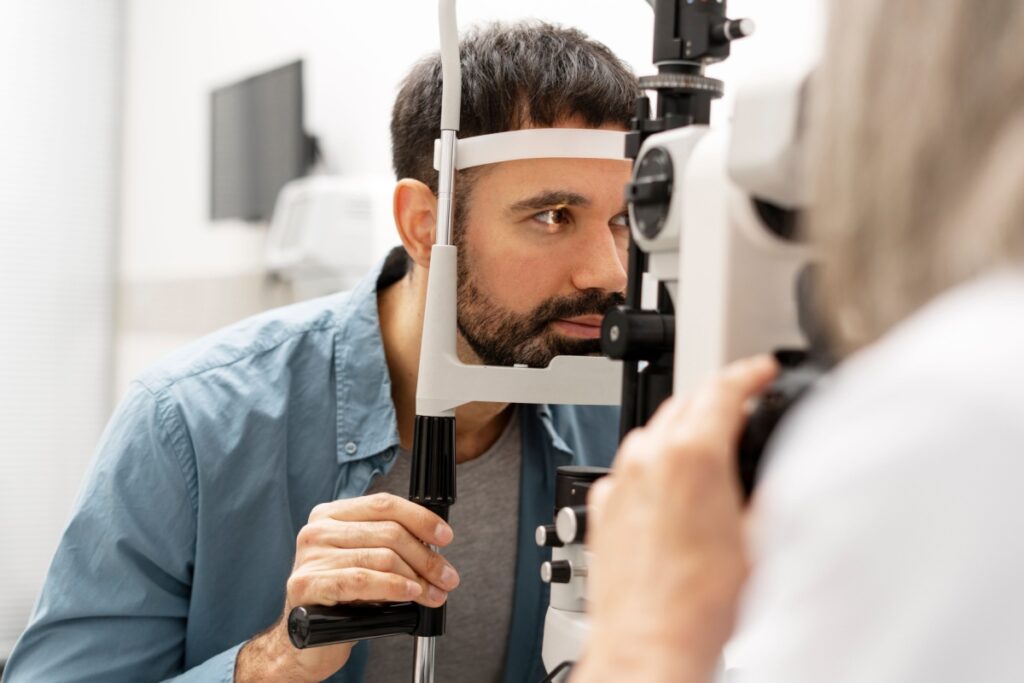
Your eye doctor starts with a detailed health history and vision testing. They examine the front and back of your eyes using specialized equipment and imaging technology to assess both eye health and overall systemic health.
While dilation may still be recommended in some cases, many eye conditions can now be detected using advanced, non-dilated retinal imaging for a more comfortable exam experience.
Digital Imaging & Diagnostic Tests
Advanced imaging technology captures detailed pictures of your retina, optic nerve, and other eye structures. These images provide your optometrist with precise information about your eye health. The team can also perform additional tests like visual field testing or eye pressure measurements when needed. Color fundus photography and optical coherence tomography (OCT) documents and monitors retinal and optic nerve conditions effectively.
When Your Eye Doctor Finds Something
If your optometrist discovers signs of a health condition, they’ll explain what they found and discuss next steps with you. They may recommend additional testing, refer you to a specialist, or suggest more frequent eye exams.
Your eye doctor can also coordinate care with your family physician or other healthcare providers. Emergency eye care services are available when urgent attention is required.
Prevention & Early Detection Benefits
Why Regular Eye Exams Matter
Many serious eye diseases and health conditions develop slowly without symptoms. Regular eye exams can catch these problems early when treatment is most effective. Early detection often means better outcomes and can help prevent vision loss or serious health complications.
Recognizing key warning signs helps you know when immediate attention is needed between regular appointments.
Recommended Exam Frequency by Age
We recommend a comprehensive eye exam every year or every two years. Your optometrist will make a recommendation based on your age, family history and eye health. Your optometrist may suggest more frequent visits if you have certain risk factors or medical conditions.
Annual exams are especially important for:
- Children and teens – to support healthy visual development and learning
- Adults over 40 – when age-related eye changes and diseases become more common
- People with diabetes or high blood pressure – due to increased risk of retinal damage
- Anyone with a family history of eye disease – such as glaucoma or macular degeneration
- Patients noticing new or changing vision symptoms – even if minor
Protect Your Vision with a Comprehensive Eye Exam in Brantford
Regular, comprehensive eye exams play an essential role in protecting both your eyesight and your overall health by detecting problems early, often before symptoms appear. At Brantford Eye Care, our team uses advanced diagnostic technology to provide thorough eye health assessments for patients of all ages.
If it’s been a year or more since your last exam, now is the perfect time to book your visit. Schedule your comprehensive eye exam today and take an important step toward preserving lifelong vision and wellness.