
Still Have Dry Eyes After IPL or RF?
You’ve already gone through intense pulsed light (IPL) therapy or radiofrequency (RF) treatments. You’ve followed the protocols, and yet your eyes still feel dry, gritty, or uncomfortable. This can be frustrating, especially when you’ve put in the time and effort. The truth is, persistent dry eye symptoms after these treatments often point to something that IPL and RF weren’t designed to fix in the first place.
If your dry eye symptoms are still showing up after IPL or RF, there’s a good chance you’re dealing with a different type of dry eye—or a combination of both—that requires a different treatment approach. A dry eye assessment at Brantford Eye Care can help pinpoint exactly what’s going on so the right care can be put in place.
The 2 Main Types of Dry Eye
Not all dry eye is the same, and that distinction matters when it comes to treatment. There are 2 main types, and understanding them helps explain why one treatment may not be enough on its own.
- Evaporative dry eye: Linked to meibomian gland dysfunction (MGD) and inflammation around the eyelid margins, which causes tears to evaporate too quickly
- Aqueous-deficient dry eye (ADDE): The tear glands don’t produce enough watery tear fluid, leaving the eye surface dry regardless of oil quality
- Mixed dry eye: Many people have both types at the same time, which complicates treatment and makes a thorough assessment important
When IPL and RF May Not Be Enough
IPL and RF work by targeting inflammation and improving meibomian gland function, which means they’re most effective for evaporative dry eye. If your tear glands simply aren’t producing enough fluid, these treatments may not address that root issue.
Aqueous-deficient dry eye requires a different treatment path entirely, one that focuses on reducing inflammation at the cellular level and, in some cases, supporting the body’s own tear production. That’s where a dedicated dry eye assessment becomes the next step.
What Is Aqueous Deficient Dry Eye?
While many people suffer from evaporative dry eye (where tears dry up too fast), aqueous-deficient dry eye is a condition where your eyes simply don’t produce enough watery tears to begin with. Think of it as a supply problem rather than a quality problem.
Understanding why your tear production has slowed down is the key to finding relief. There are several factors that can contribute to ADDE:
- Environmental and lifestyle: Long-term screen use, aging, or certain medications (like antihistamines).
- Hormonal changes: Shifts in tear production are common during menopause.
- The autoimmune connection: In some cases, low tear production is linked to underlying systemic health. For example, Sjögren’s syndrome is an autoimmune condition where the body’s defence system affects the moisture-producing glands.
Dry Eye Treatment Options
If your assessment shows that you aren’t producing enough watery tears, our focus shifts to increasing your tear volume and protecting the eye surface.
- Anti-inflammatory drops: Cyclosporine (Restasis, Cequa) or lifitegrast (Xiidra) can help reduce inflammation and support tear production over time
- Short-term corticosteroid drops: A brief course of topical steroids can calm acute inflammation quickly; long-term use is avoided due to potential risks like elevated eye pressure or cataracts
- Punctal plugs: Tiny plugs inserted into the tear drainage ducts to keep more moisture on the eye surface; these are considered only after inflammation is under control
Ongoing Dry Eye Support at Home
Since you’ve already been through IPL or RF, you’re likely familiar with the importance of daily eyelid care. Keeping up with your home routine remains a key part of managing MGD and evaporative dry eye between clinical treatments. If you’re also noticing that certain habits or environments are making your dry eye worse, adjusting those alongside your daily routine can make a real difference.
Daily Eyelid Care Routine
- Warm compress: Apply a heated eye mask to closed eyelids for at least 10 minutes daily to soften the thickened oils blocking your meibomian glands.
- Eyelid massage: Right after the compress, gently massage your eyelids with clean fingertips to help express the loosened meibum from the glands
- Lid hygiene: Clean the eyelid margins daily with a gentle, non-irritating cleanser to remove debris and bacterial buildup.
Drops, Supplements, and Lifestyle Tips
- Lipid-based artificial tears: These emulsion-style drops restore the oily layer of the tear film and help slow evaporation.
- Omega-3 supplements: A triglyceride-form omega-3 like PRN, taken 3 times daily, can help support oil gland function from the inside out.
- Lifestyle adjustments: Blink consciously and frequently during screen time, run a humidifier at home or at your desk, and avoid sitting directly in front of air conditioning or fans
New Treatment Options Your Eye Doctor May Recommend
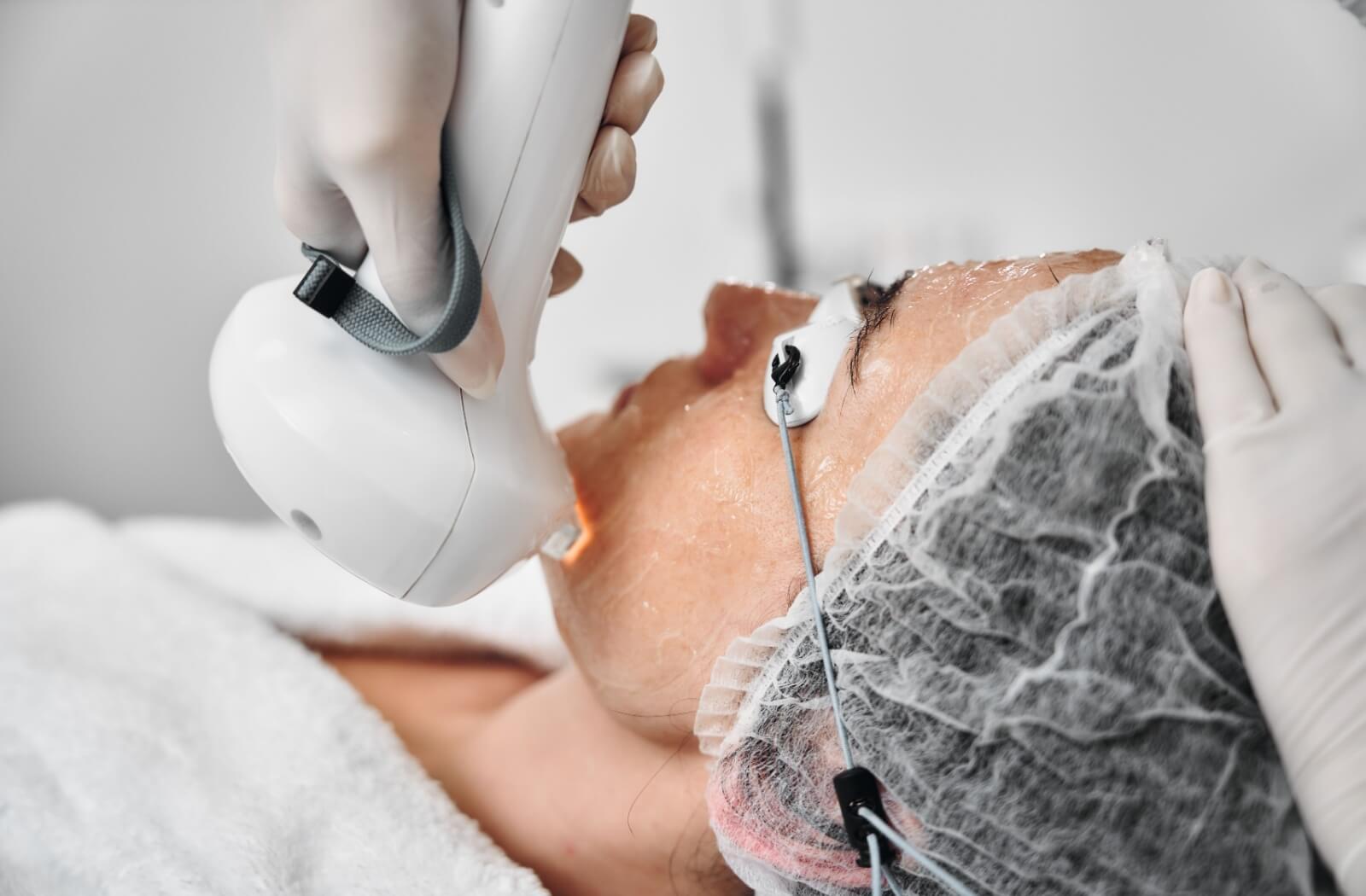
JETT Plasma Therapy
JETT Plasma is a newer technology that targets inflammation along the eyelid margins, the same area where MGD tends to cause ongoing problems. It works by delivering controlled plasma energy to reduce lid inflammation and improve the environment around the meibomian glands. For patients who’ve already had IPL or RF, JETT Plasma can complement those earlier treatments by addressing inflammation that may have persisted or returned.
Plasma Rich in Growth Factors (PRGF)
PRGF eye drops are made from a small sample of your own blood, which is processed to concentrate natural healing factors. These drops are then applied directly to the eye surface, where they actively support tissue repair and reduce inflammation. PRGF can be particularly helpful for moderate to severe inflammatory dry eye, especially in cases where conventional therapies haven’t provided enough relief on their own.
Nighttime Relief and Protecting Tears While You Sleep
During sleep, tear evaporation can quietly undo the progress you’ve made during the day. A moisture chamber sleep mask creates a sealed environment around the eyes overnight, helping retain the moisture your eye surface needs. The Blink Joy hydrating sleep mask is designed for this purpose and can make a noticeable difference in how your eyes feel when you wake up.
Find Relief Options Right for You
Persistent dry eye after IPL or RF doesn’t mean treatment has failed—it often means there may be more to address. Brantford Eye Care offers dedicated dry eye assessments to help identify the full picture of what’s affecting your tear film, and our team can guide you toward the combination of treatments and products that fit your situation.
Book your dry eye assessment today and take the next step toward lasting comfort.