

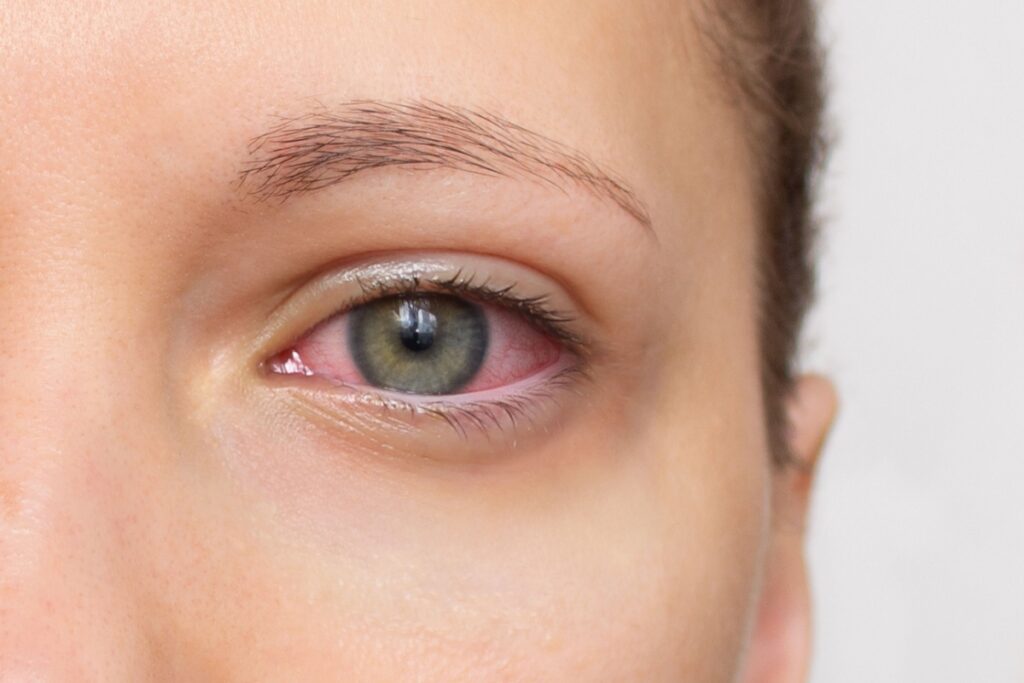
Our team at Brantford Eye Care often works with people who have tried treatments like IPL or RF and still hope for lasting relief from dry eye symptoms. It can be frustrating when you follow through with a recommended therapy and still feel discomfort. This can make it hard to read, work on a computer, or even enjoy a sunny day.
If you feel like you have hit a wall, know that other paths can lead to more comfortable vision. The key is to pinpoint the specific type of dry eye you have and explore a customized treatment plan that addresses the root of the problem.
Understand Your Type of Dry Eye
Aqueous Deficient Dry Eye
Sometimes, dry eye happens because your eyes do not produce enough of the watery component of your tears. This is known as Aqueous Deficient Dry Eye (ADDE). It can be associated with certain health conditions, including autoimmune conditions like Sjögren’s syndrome. A comprehensive dry eye assessment is an important step to understand all the contributing factors and help determine if an autoimmune condition may be present.
Evaporative Dry Eye
The more common form of dry eye is Evaporative Dry Eye (EDE). In this case, you may produce enough tears, but they evaporate too quickly. This is often linked to Meibomian Gland Dysfunction (MGD), where the tiny oil glands in your eyelids get blocked, disrupting the protective oily layer of your tear film.
Explore In-Office Therapies
Jett Plasma Technology
One option is Jett Plasma technology, which can be used to treat certain eyelid conditions that contribute to dry eye. By addressing issues at the eyelid margin, it can help improve the function of the glands that are so important for a healthy tear film. This approach focuses on improving the environment of your eye’s surface.
Plasma Rich in Growth Factors (PRGF)
For moderate to severe cases of dry eye, PRGF eye drops offer a unique solution. These drops are created from a small sample of your own blood. They concentrate your body’s natural healing factors to help repair the surface of your eye, reduce inflammation, and promote healthier tissue.
Control Inflammation with Prescription Therapies
Anti-Inflammatory Eye Drops
Chronic dry eye is often an inflammatory condition. An optometrist may recommend prescription eye drops, like cyclosporine or lifitegrast, that work to calm this underlying inflammation. Over time, this can help your eyes produce more of their own natural tears.
Corticosteroid Eye Drops & Punctal Plugs
For a sudden flare-up of symptoms, a short course of corticosteroid drops can provide quick relief by reducing inflammation. Once inflammation is managed, another option may be punctal plugs. These tiny devices are placed in your tear ducts to help keep your natural tears on the surface of your eye for longer.

Support Your Eyes with an At-Home Routine
Build a Daily Eyelid Hygiene Habit
A consistent at-home routine is foundational for managing your dry eye. A warm compress, like the Bruder mask, helps melt blockages in your eyelid glands. Follow this with a gentle eyelid massage to express the oils, and finish by cleaning your eyelid margins with a product like Blephagel to remove buildup.
Choose the Right Drops & Supplements
Not all artificial tears are the same. Thealoz Duo is a preservative-free eye drop containing trehalose and sodium hyaluronate. Trehalose is a natural sugar that protects cells from dehydration and helps stabilize the tear film, while sodium hyaluronate provides long-lasting lubrication. This combination helps reduce evaporation and keeps your eye surface hydrated longer than standard artificial tears.
Omega-3 supplements can improve meibomian gland function and tear quality from the inside out, but not all omega-3s work equally well. Triglyceride omega-3s like PRN are the natural form found in fish and are easily absorbed by your body. Your intestines can efficiently process and deliver these fatty acids to your eyes, brain, and heart without extra steps.
Ethyl ester omega-3s, found in many cheaper supplements, are a more synthetic form that must be filtered through your liver before absorption. This makes them less bioavailable, meaning your body actually utilizes less of what you take. They’re also more likely to cause side effects like fish burps and upset stomach.
PRN uses the triglyceride form, taken three times daily, which is better absorbed and causes fewer digestive issues. Over time, this helps your meibomian glands produce healthier oils for your tear film.
Protect Your Eyes While You Sleep
Your eyes can become even drier overnight. A moisture chamber sleep mask, like the Blink Joy hydrating sleep mask, creates a humid seal around your eyes while you rest. This simple step can reduce tear evaporation, so you wake up with eyes that feel more comfortable and refreshed.
Make Environmental and Lifestyle Adjustments
Simple changes to your daily habits and surroundings can reduce dry eye triggers. Practice conscious, frequent blinking during screen time to help spread tears evenly across your eyes. Using a humidifier at home or work adds moisture to the air, which can prevent tears from evaporating too quickly. It also helps to avoid direct exposure to wind or air conditioning, as these can dry out your eyes even faster.
Finding a solution for your persistent dry eye requires a thorough and personalized approach. Our team Brantford Eye Care takes the time to investigate the cause of your discomfort and create a plan tailored to you.
We have many products and treatment options that can help you with your dry eyes. Please book a dry eye assessment to find out what will best suit your needs.